
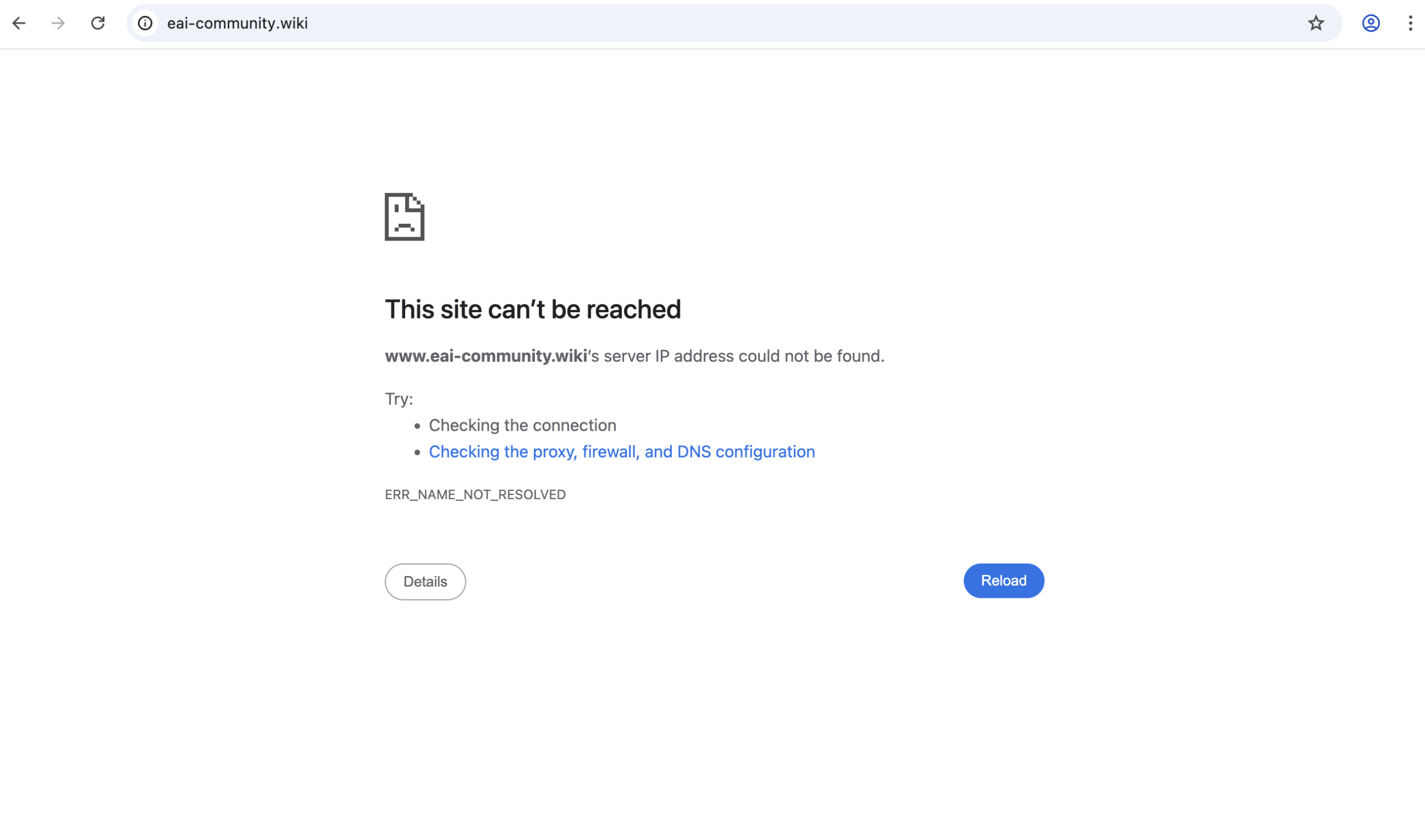

Online investment and “community earnings” platforms have exploded in recent years, and with them has come a wave of sites that operate in ways that are confusing, opaque, or outright dangerous for ordinary users. When a platform appears suddenly, is lightly documented, or is tied to a cluster of similar-looking domains, it’s wise to treat it with extreme caution.
This article will walk through the red flags that often surround platforms like eai-community.wiki and explain why you should steer clear of any site that shows these warning signs. The goal is not to make legal accusations about a specific company, but to give you a clear, practical checklist for spotting risk before you lose money, time, or personal data.
Why New “Community” Platforms Deserve Extra Scrutiny
Many risky platforms market themselves with friendly, cooperative language: “community,” “member earnings,” “global users,” “smart income,” and so on. The branding is designed to feel modern, accessible, and trustworthy. However, behind this friendly façade, the structure can be:- Poorly regulated
- Technically fragile
- Centered on recruiting new users rather than delivering a real product or service
- Almost impossible to get support from when something goes wrong
Red Flags That Suggest a Platform Is Unsafe
Here are the most common warning signs you should look for with any platform that asks for money, crypto, or sensitive information.1. Vague or Overhyped Promises
If a platform:- Talks more about “life-changing returns,” “guaranteed income,” or “zero-risk profits” than about a clear business model
- Uses buzzwords like AI, Web3, or blockchain without technical detail
- Promotes screenshots of supposed profits without verifiable proof
2. Confusing Network of Domains
Another major red flag is when one “brand” is associated with multiple near-identical websites: review sites, “official” info portals, and alternate domains that all repeat the same claims. Scam operations often create a network of similar sites to:- Boost their visibility in search results
- Drown out criticism
- Make themselves look more established than they actually are
3. No Clear, Verifiable Company Behind It
Every serious platform that handles money should clearly display:- The legal company name and registration number
- The country of incorporation
- Physical address and verifiable contact information
- Licensing or regulatory details, if it offers financial services
4. Pushy Referral and Affiliate Schemes
A classic hallmark of high-risk or fraudulent schemes is that the real “business” is recruiting other people, not providing value. Be extremely wary if:- Most of the earnings come from bringing in new members
- You are encouraged to spam friends, family, or social media with referral links
- Promotional materials focus on “building your downline,” “levels,” or complex bonus structures rather than any genuine product or service
5. Poor Support and One-Way Communication
Risky platforms often keep users at arm’s length:- No clear support email or ticketing system
- Only a generic contact form with no promised response time
- Social media profiles that rarely answer real questions
- No real-time support despite handling money
How People Typically Get Hurt on Platforms Like This
Even if a platform does not start as an outright scam, a lack of safeguards and transparency can easily lead to serious problems for users. Common negative outcomes include:- Frozen withdrawals: Users suddenly cannot withdraw their own money, often with vague excuses about “system upgrades,” “verification,” or “security checks” that never end.
- Forced deposits: To unlock withdrawals, platforms sometimes demand additional deposits, fees, or “taxes,” trapping users deeper.
- Account closures without recourse: If you complain or push back, your account may be closed, with funds effectively seized and no real appeals process.
- Data misuse: Personal information (ID documents, bank details, crypto addresses) can be mishandled or resold, opening doors to identity theft or further scams.
Practical Steps to Protect Yourself
Before engaging with any new, lightly known platform, follow these steps:- Research beyond the platform’s own ecosystem. Do not rely on sites that obviously exist just to praise the project. Look for independent discussion from real users, ideally with detailed, balanced experiences.
- Verify the company details. If a platform claims to be registered in a specific country, check that country’s official business registry. If you can’t confirm the company name, that is a massive warning sign.
- Check how withdrawals are described. Clear, straightforward withdrawal rules, fees, and timelines are essential. If these are buried, inconsistent, or vague, don’t proceed.
- Start with the assumption of risk, not trust. Legitimate platforms earn your trust over time through transparency, regulation, and user protections. They do not demand blind faith up front.
- Never invest more than you can lose. If you still choose to experiment with a new platform, treat it as extremely high risk. Use small amounts and be ready to walk away at the first sign of trouble.
Why “Steering Clear” Is Often the Best Decision
With so many reputable, regulated, and well-established financial platforms available today, there is rarely a good reason to gamble on a site that:- Is new and thinly documented
- Operates through a confusing network of similar domains
- Offers extraordinary promises without clear evidence
- Gives minimal information about who runs it or where it is regulated