
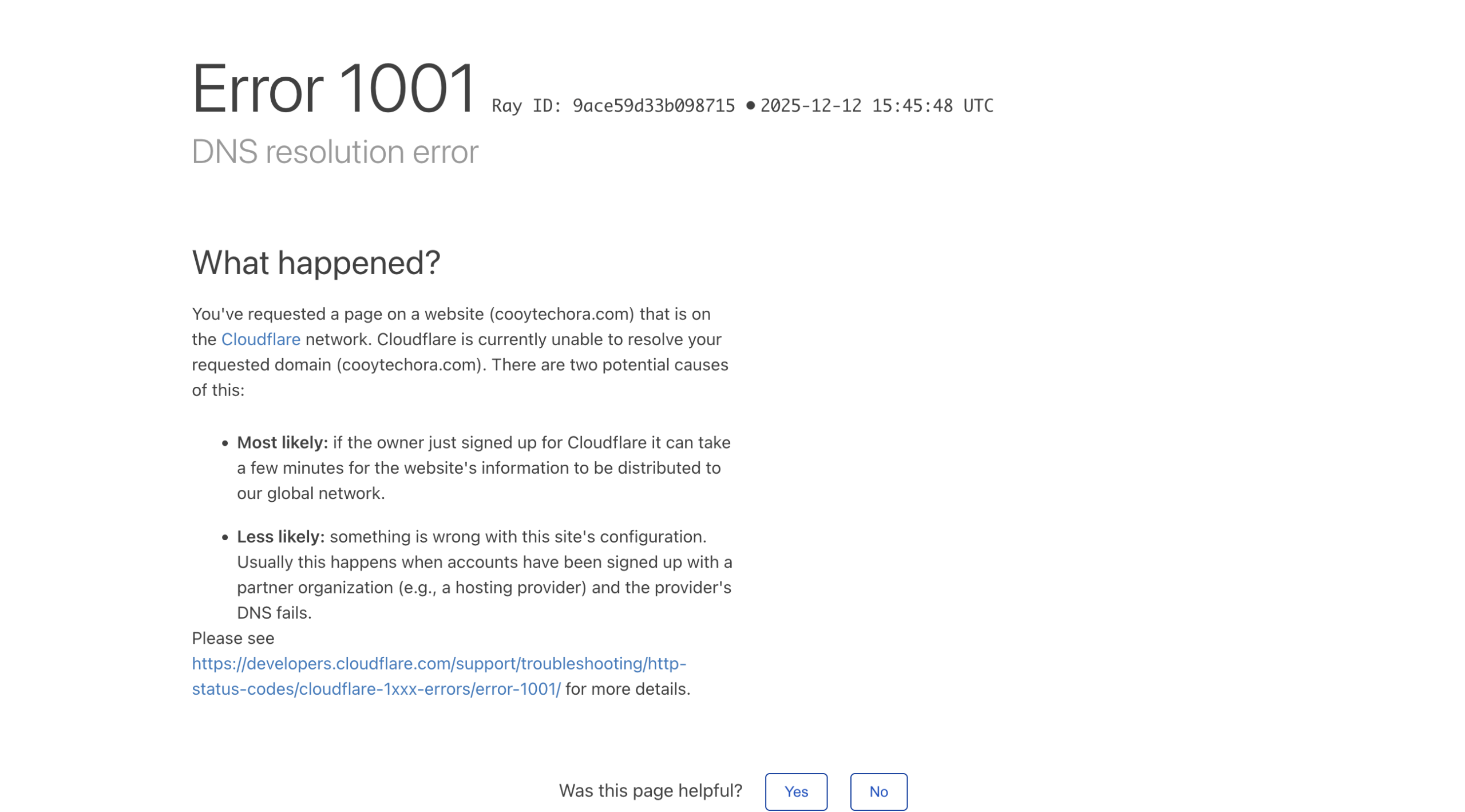

The website cooytechora.com has been drawing attention for all the wrong reasons. On the surface, it tries to look like a legitimate web or app development–related site. But when you dig even slightly below the surface, you see a classic cluster of red flags that strongly suggest it is not a platform you should trust with your money, data, or time.
This article breaks down the key warning signs around cooytechora.com and explains why the safest choice is to completely steer clear of it.
1. Extremely Low Trust Ratings Across Scam Checkers
Several independent scam-checking and risk-analysis services rate cooytechora.com as very high risk or suspicious. One well-known scam analysis site assigns it a score in the teens on a 1–100 scale, tagging it with labels such as “high-risk,” “unsafe,” and “controversial.” These services don’t rely on a single metric; they typically evaluate:- Domain age
- Technical setup
- Proximity to other risky websites
- Hosting patterns
- Registration privacy
- Reputation and user complaints
2. Recently Registered, Disposable-Looking Domain
One of the most common characteristics of scam websites is that they are very new. Cooytechora.com fits that pattern:- The domain has been registered only recently.
- It has almost no real online history.
- It shows low traffic and almost no organic footprint.
3. Hidden Ownership and Lack of Real-World Transparency
Who is behind cooytechora.com? That’s almost impossible to tell.- The domain registration details are hidden behind privacy services.
- No clear company name, physical address, or verifiable ownership details are easy to confirm.
- There is no straightforward, trustworthy “About us” presence tied to an established business.
4. Flagged by a Securities Regulator
Cooytechora has been listed in investor alert communications by a Canadian provincial securities regulator. When a financial or investment regulator has felt it necessary to name a website or entity publicly, it usually means:- The entity is not registered to provide the kind of services it is offering.
- There have been complaints or suspicious activity noted.
- The regulator believes the public needs to be warned.
5. Technical Red Flags and Risk Profile
Independent website analyzers looking at cooytechora.com highlight several technical risk factors:- Very young domain age.
- Low ranking and traffic, meaning almost nobody credible appears to be using it.
- Proximity to other suspicious websites hosted on similar infrastructure.
- A risk profile indicating potential for phishing, fraud, or misuse of user data.
6. Vague Purpose and Questionable Content
Descriptions of cooytechora.com suggest it tries to present itself as a web or app development–related service, apparently focusing on touch events, scripts, or code snippets. However:- The content appears minimal, generic, or technical without clear commercial structure.
- There is no obvious, verifiable client base, portfolio, or case studies.
- The overall appearance is closer to a placeholder or lure page than to a serious development studio.
7. Why You Should Avoid Cooytechora.com Completely
Putting all of these elements together, cooytechora.com exhibits a classic risk pattern:- Very low trust scores from multiple independent analyzers.
- Very recent domain, which is typical for short-lived scam operations.
- Hidden ownership, meaning zero accountability.
- Regulator investor alert presence, which is a major red flag.
- Thin, unconvincing content and no proven history of legitimate business.
8. How to Protect Yourself From Sites Like Cooytechora.com
To stay safe from similar platforms:- Check domain age and reputation first. If a site is only weeks or months old and has poor scores, stay away.
- Look for real company details. Confirm a physical address, registration number, and leadership names through independent sources.
- Verify regulatory status. If a site appears in investor alerts or is unregistered while offering financial-related services, treat it as unsafe.
- Avoid sharing sensitive data. Never submit ID documents, card details, or banking information to a site with questionable trust signals.
- Stick to well-known providers. For development services, investments, or tools, use companies with a strong, verifiable reputation and long history.