

Online investing has never been more accessible. These days, you can sign up with a trading platform in just a few minutes and start exploring markets like cryptocurrencies, forex, commodities, and stocks from almost anywhere. While this convenience has opened the door to more investment opportunities, it has also made it easier for questionable platforms to attract people who may not know what to look out for.
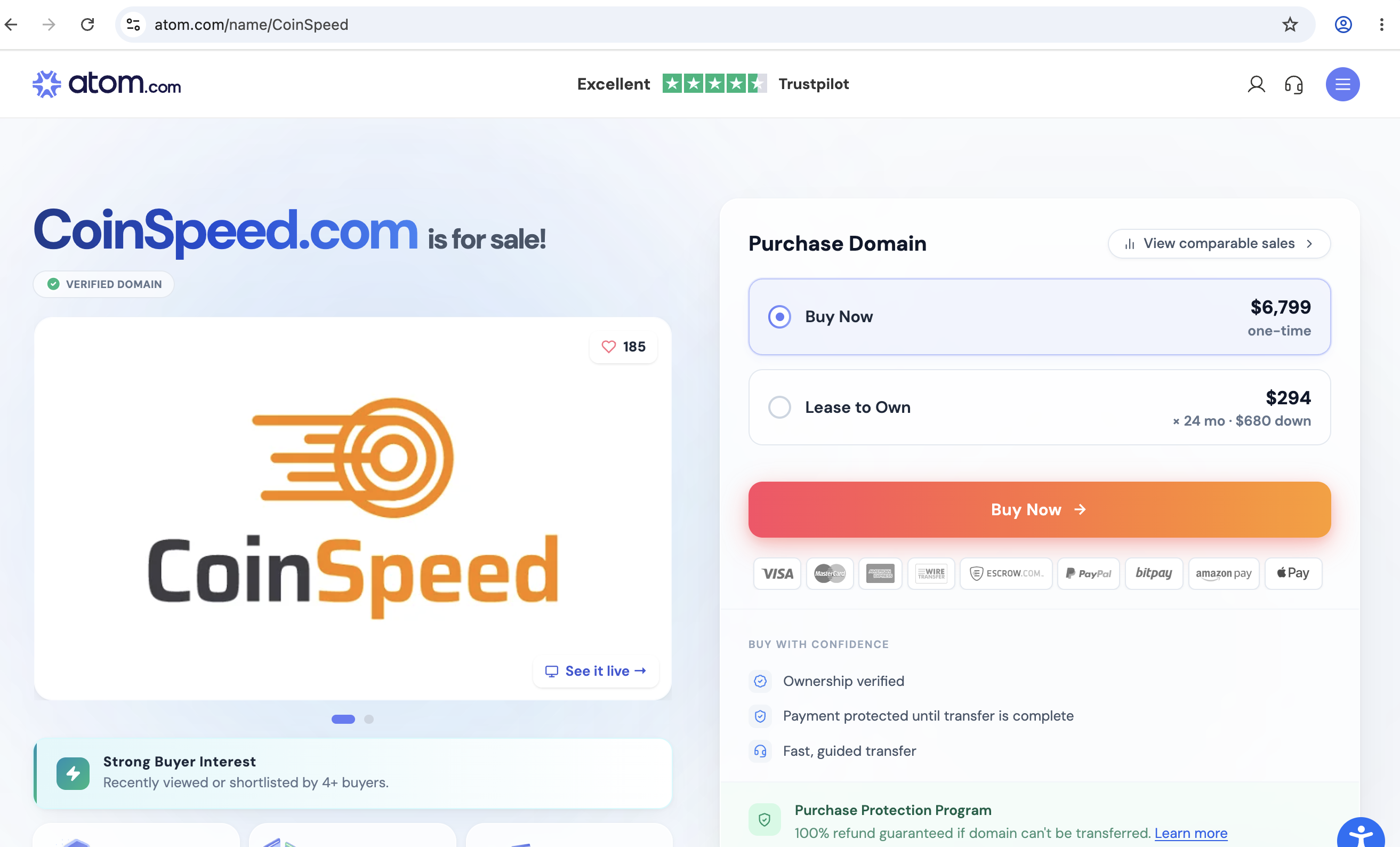
One platform that has recently caught attention is Coinspeed.com. At first glance, the website looks polished and professional. It promotes easy investing, advanced trading tools, and access to a wide range of financial markets. But once you look beyond the marketing, several concerns begin to stand out.
In this review, we'll take a closer look at how Coinspeed.com appears to work, point out the main warning signs, and explain why you should think carefully before trusting the platform with your money.
What Is Coinspeed.com?
Coinspeed.com presents itself as an online trading platform that gives users access to multiple financial markets through a single account. According to its website, traders can explore products such as cryptocurrencies, forex, commodities, indices, and other investment options.
Like many online brokers, the platform uses sleek website design and persuasive marketing to create the impression of being a reliable financial service. Visitors are likely to see claims about fast trade execution, simple account registration, advanced technology, and responsive customer support.
For someone new to online trading, these features can certainly sound appealing. However, a professional-looking website isn't enough to prove that a platform is trustworthy. Before investing with any broker, it's essential to confirm that the company is properly licensed and regulated.
How Coinspeed.com Appears to Work
The process seems similar to many other online trading platforms and is designed to get new users started quickly.
It begins with creating an account by providing basic personal details such as your name, email address, and phone number.
Once the account is set up, users are encouraged to make their first deposit. The platform may also promote different account levels that require higher deposits in exchange for additional features, improved trading conditions, or access to a dedicated account manager.
After funding the account, users can access an online dashboard where they can view charts, monitor balances, and place trades across different markets.
Some users may also receive follow-up phone calls or emails encouraging them to invest more money. These conversations often focus on potential opportunities and possible returns while giving much less attention to the risks that come with trading.
Although this setup is common among many trading websites, it doesn't automatically mean the platform is operating in a transparent or properly regulated manner.
The Biggest Red Flag: No Verified Financial License
One of the first things any investor should check before opening an account is whether the broker is licensed by a recognized financial regulator.
Regulated brokers are expected to follow strict rules designed to protect their customers. These rules often include keeping client funds separate from company accounts, maintaining financial standards, providing accurate information, and following compliance requirements.
When it comes to Coinspeed.com, there is no clear evidence that the platform holds authorization from a widely recognized financial regulator.
That should immediately raise concerns. Without regulatory oversight, there is much less accountability, and investors have fewer protections if something goes wrong.
A Lack of Transparency
Transparency is one of the most important qualities of any legitimate financial company.
Trusted brokers usually make it easy to find information about who owns the business, where it is based, and which regulator oversees its operations.
With platforms that provide limited company information or make important details difficult to verify, investors are left with unanswered questions.
If you can't clearly identify who is operating a trading platform or confirm its regulatory status, it's much harder to know whether your money is in safe hands.
Marketing That Sounds Too Good
Another common warning sign is aggressive marketing.
Some trading platforms focus heavily on how much money users could potentially make. They may highlight success stories or create the impression that earning profits is quick and straightforward.
The reality is very different.
Every form of trading involves risk, and financial markets can be unpredictable. Even experienced traders lose money from time to time.
No legitimate broker can promise guaranteed profits or accurately predict market movements every time. If a platform spends far more time talking about rewards than risks, it's worth approaching with caution.
Pressure to Deposit More Funds
One concern often associated with questionable trading platforms is the pressure placed on users to invest more money.
After making an initial deposit, customers may receive calls or emails encouraging them to upgrade their account or deposit larger amounts to unlock additional features or supposedly better opportunities.
This type of sales approach can make inexperienced investors feel as though they're missing out if they don't commit more money.
A reputable broker should never pressure clients into making financial decisions. Investors should always have the time and freedom to decide how much they are comfortable investing.
Limited Independent Information
Established financial companies usually leave a clear digital footprint. They can often be researched through regulatory databases, independent reviews, and trusted financial communities.
When very little independent information is available about a platform, it's worth asking why.
A lack of reliable information doesn't automatically mean a company is dishonest, but it does make it much harder to assess its reputation, history, and credibility.
It's never a good idea to rely solely on the platform's own website when deciding whether it deserves your trust.
Why Regulation Is So Important
Some people overlook the importance of choosing a regulated broker, especially when a platform appears professional on the surface.
However, regulation exists to protect investors.
Licensed brokers are generally required to meet standards related to customer protection, financial reporting, complaint handling, and operational practices. These rules help create a safer trading environment.
Without that oversight, investors are largely relying on the company's own promises, and that's a risk few people should be willing to take.
Risks of Using an Unlicensed Platform
Choosing an unlicensed trading platform comes with several potential risks, including:
- Reduced customer protection.
- Unclear ownership and business structure.
- No verified regulatory oversight.
- Uncertainty about how customer funds are handled.
- Limited accountability if disputes arise.
- Difficulty confirming important company information.
- Increased overall investment risk.
Each of these factors adds another layer of uncertainty, making it harder for investors to feel confident about where their money is going.
What to Look for in a Broker Instead
Rather than choosing a platform with unclear credentials, it's far safer to use a broker that is transparent and properly regulated.
A trustworthy broker will usually provide:
- Clear licensing and regulatory information.
- Verified company registration details.
- Transparent legal documents and policies.
- Easy access to customer support.
- Honest explanations of both the risks and rewards of trading.
- Realistic marketing instead of exaggerated promises.
- A solid reputation built over time.
Spending a little extra time checking these details before making a deposit can save you from unnecessary risks later on.
A Few Simple Tips Before You Invest
Before opening an account with any online trading platform, it's worth taking a few basic precautions.
Research the company thoroughly and verify whether it is regulated by a recognized financial authority. Look for independent reviews and avoid relying only on testimonials published on the company's own website.
Be cautious if you're encouraged to deposit money immediately or promised unusually high returns. Legitimate investment opportunities don't require high-pressure sales tactics.
Most importantly, don't rush. Taking the time to research a platform carefully is one of the simplest ways to protect yourself.
What Should You Do If You’ve Been Affected?
If you have interacted with coinspeed.com, consider taking the following steps as soon as possible:- Stop sending any further funds
- Keep a record of all transactions and communications
- Carefully review your situation before taking any additional action
Final Verdict
Coinspeed.com markets itself as an online trading platform that provides access to a variety of financial markets. While the website may appear professional at first glance, several concerns make it difficult to recommend.
The lack of clearly verified regulatory authorization, limited transparency about the company behind the platform, and the risks that naturally come with using an unlicensed broker are all factors that potential investors should consider carefully.
When it comes to investing your money, trust should be built on transparency, proper regulation, and accountability—not polished marketing or attractive website design.
There are many licensed brokers available that operate under recognized financial regulators and offer stronger protections for their clients. Choosing one of those regulated platforms is generally a much safer option.
Based on the concerns discussed in this review, Coinspeed.com is not a platform we would recommend. Anyone considering opening an account should take the time to verify all important information and carefully weigh the risks before making any financial commitment. In most cases, avoiding unlicensed trading platforms is simply the wiser decision. Disclaimer: This review is based on publicly available information at the time of writing and is intended for informational purposes only. It should not be considered financial or investment advice.